Skip links

The Hive Edit

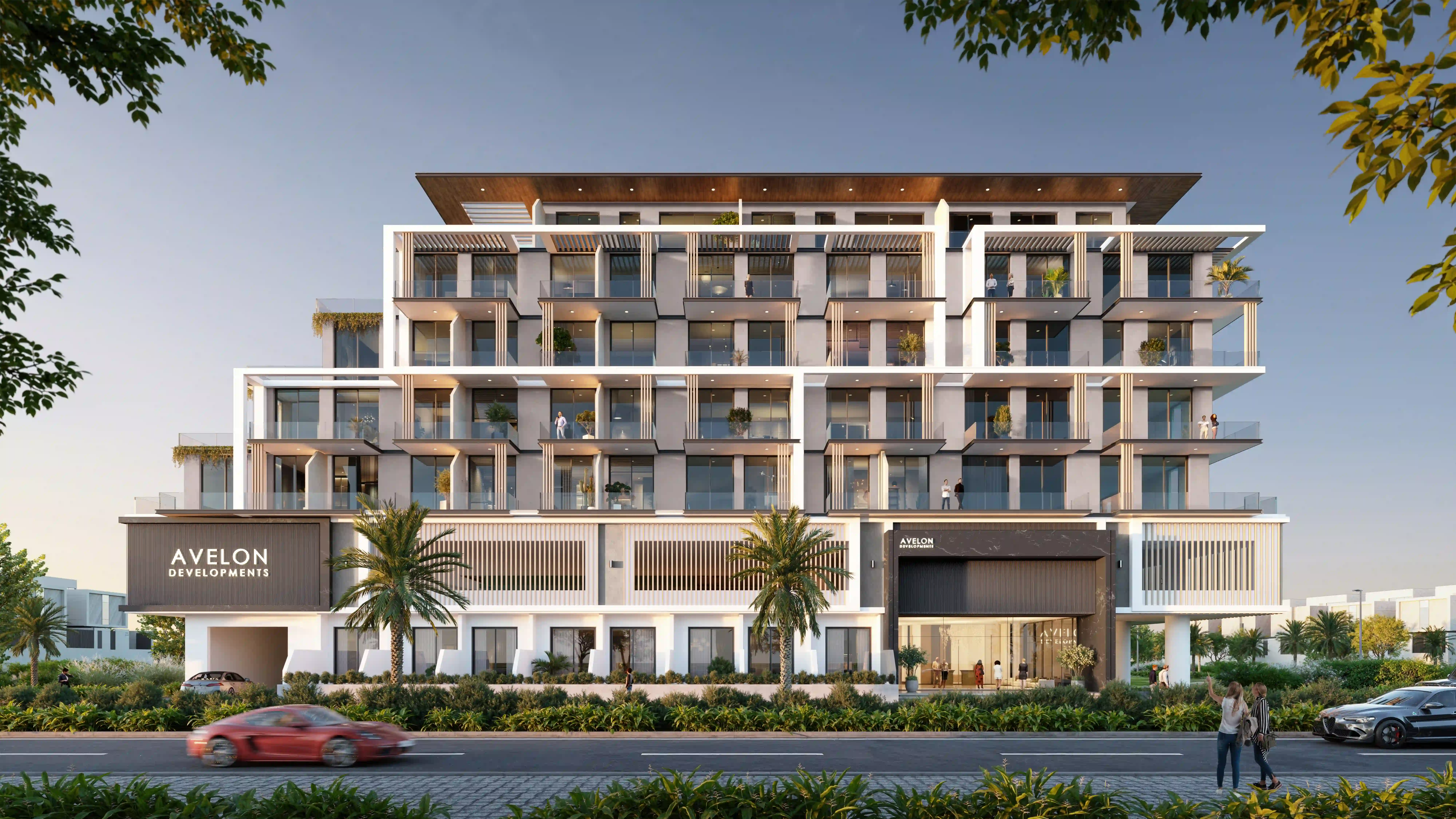
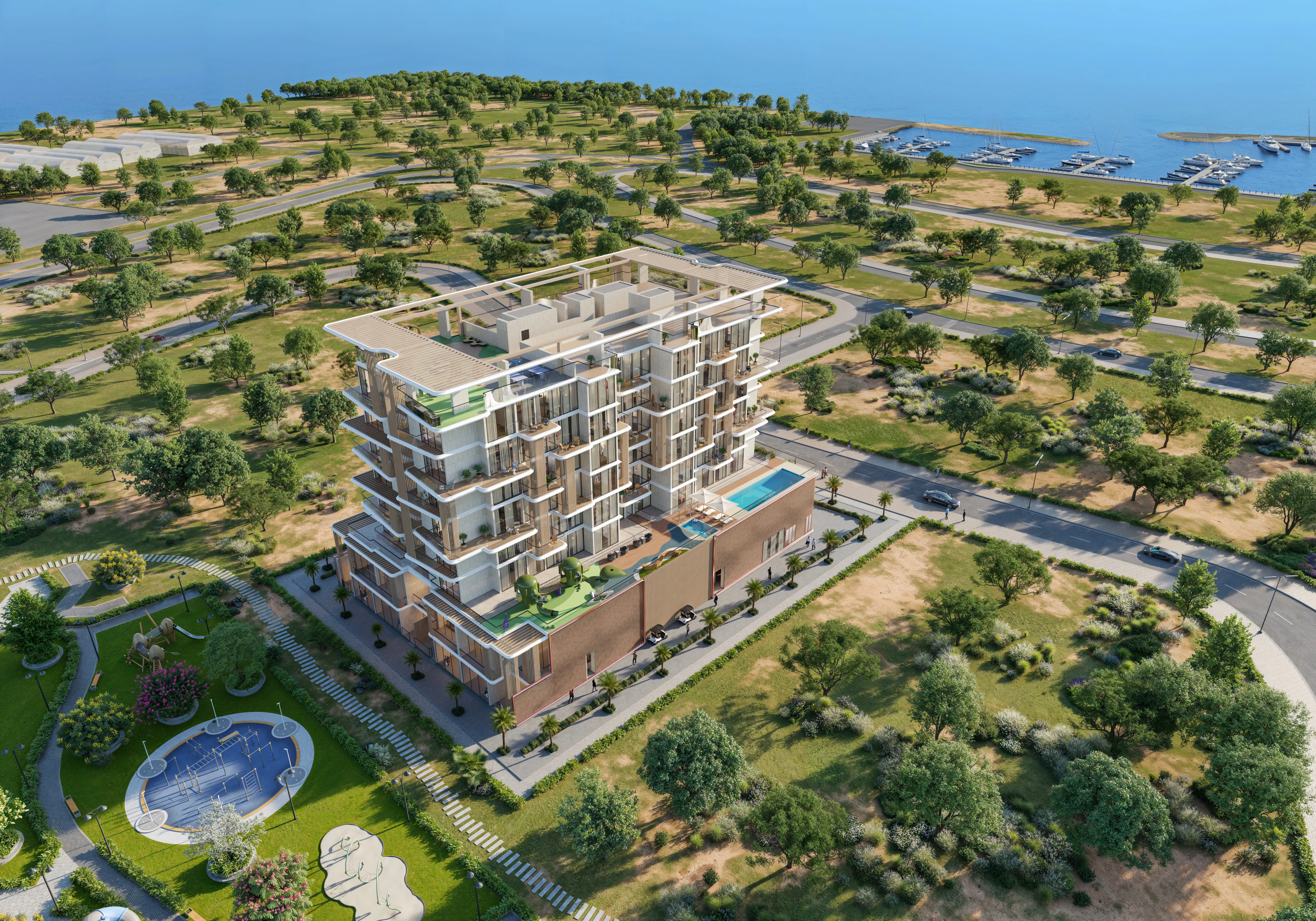
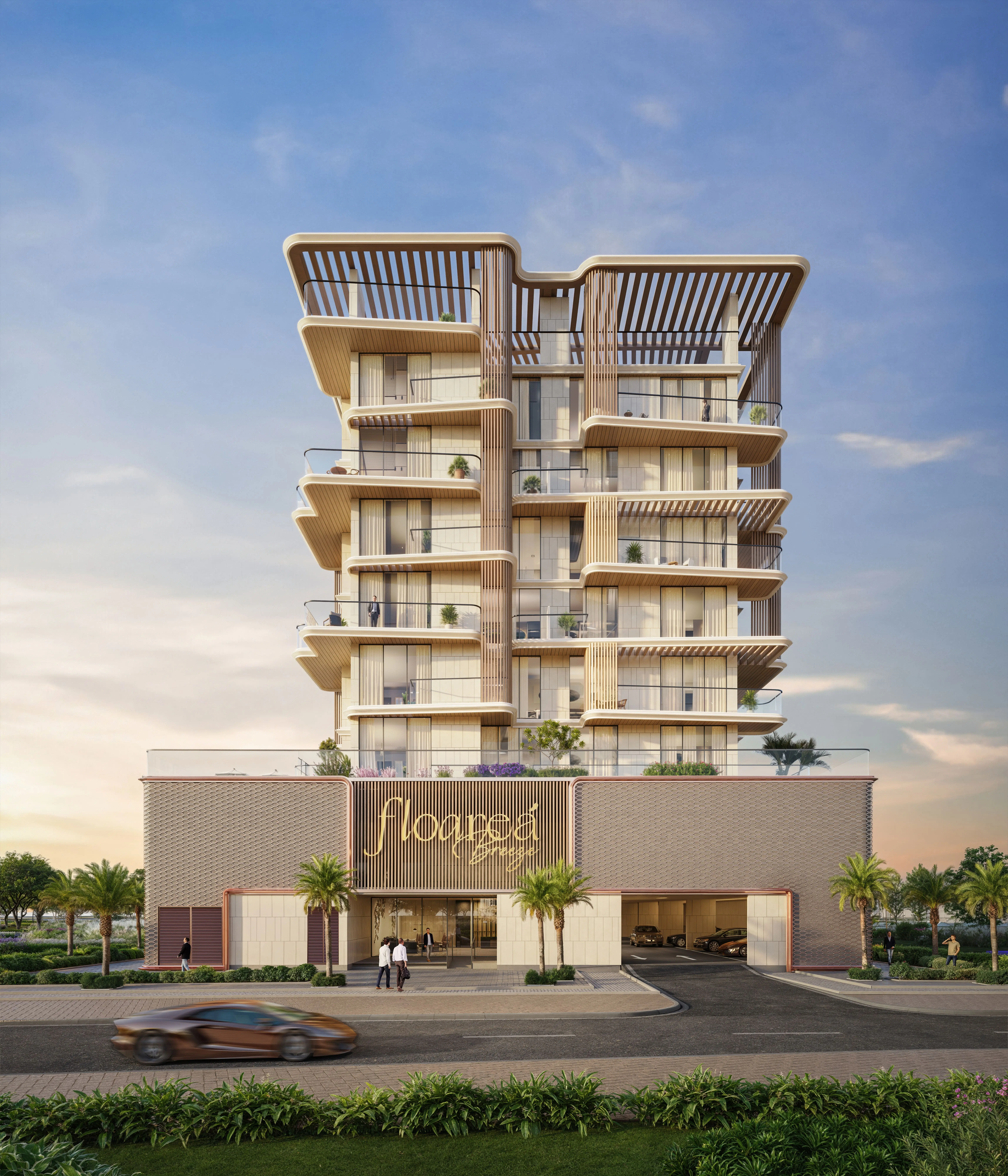
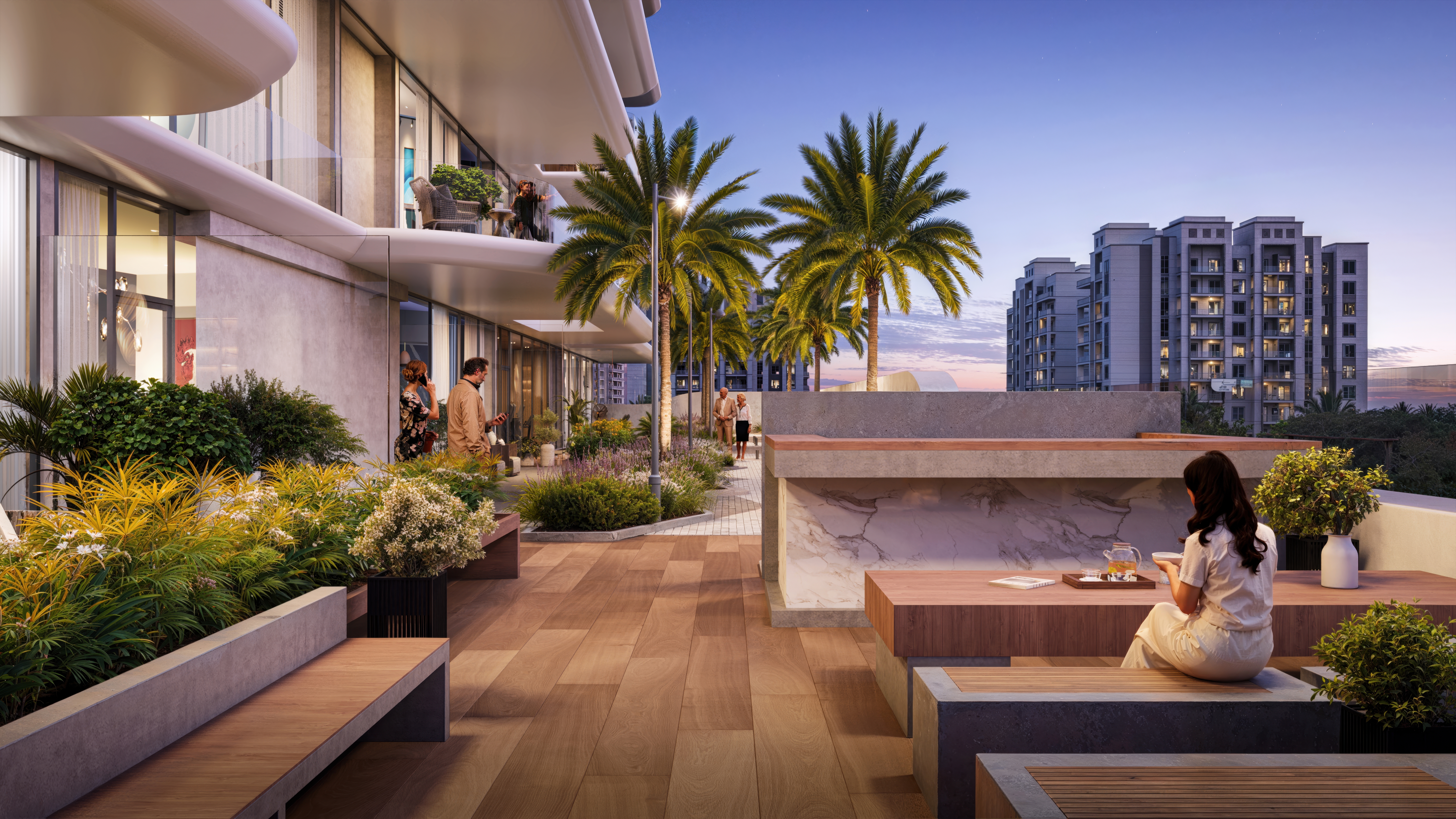
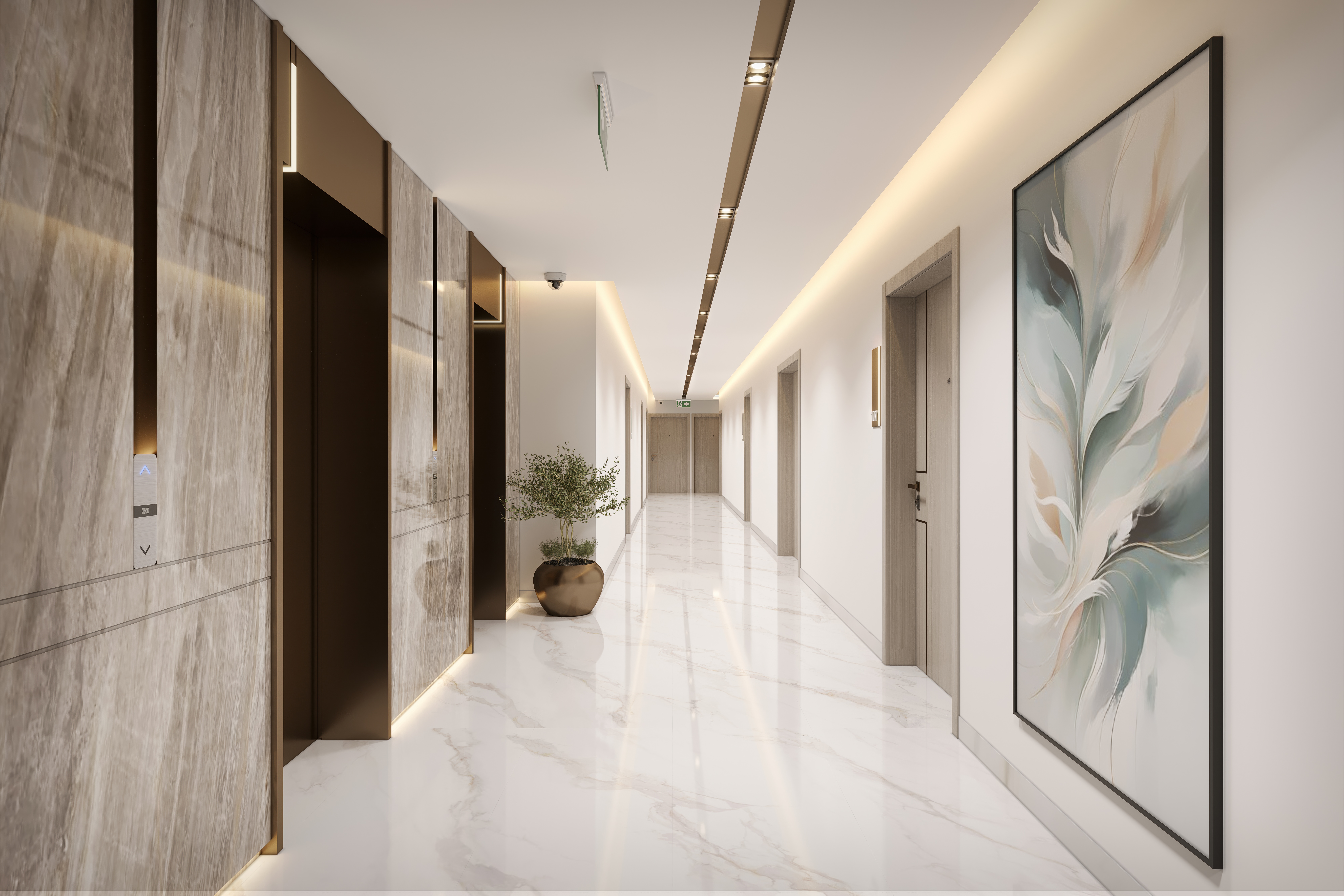
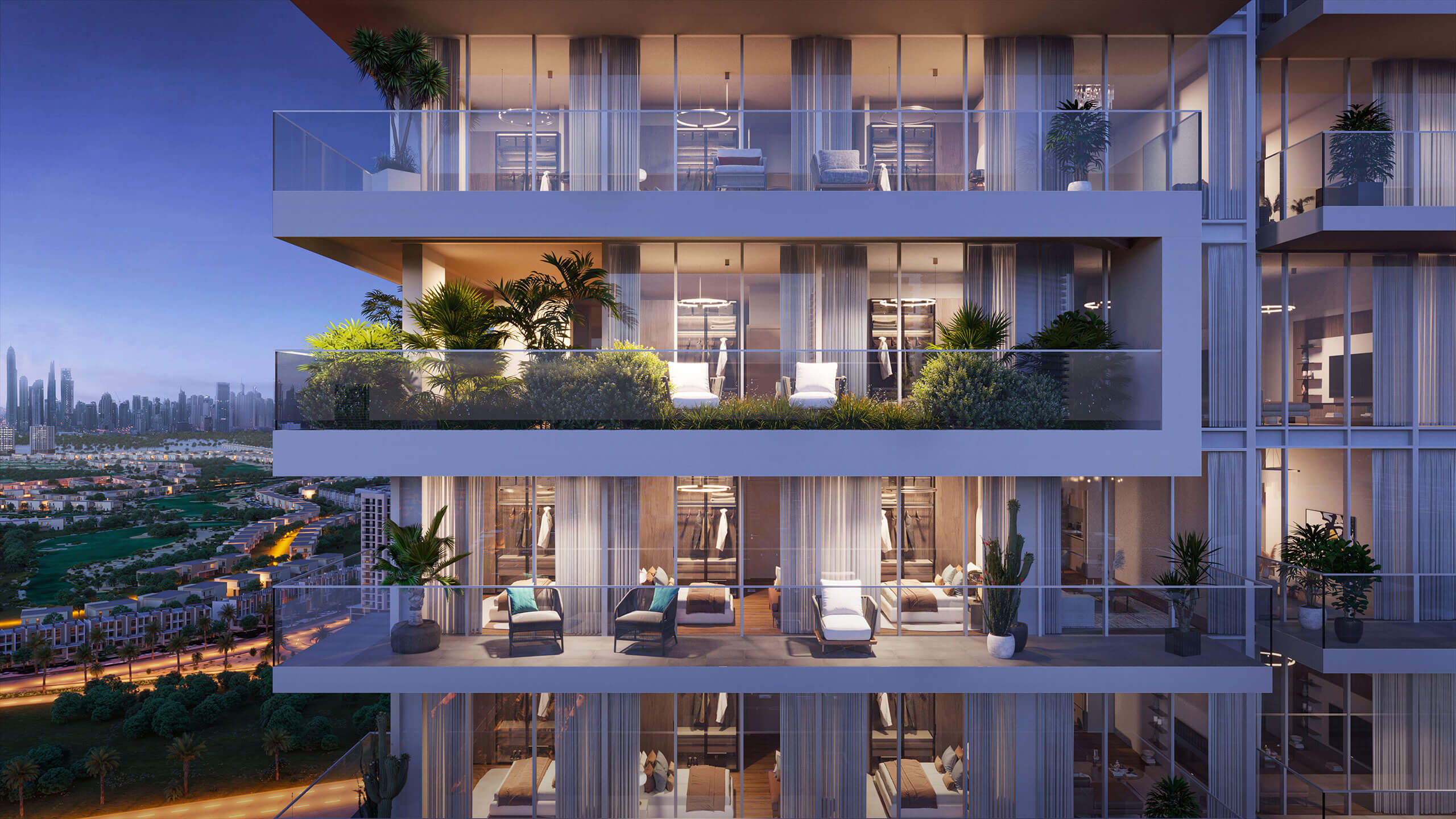
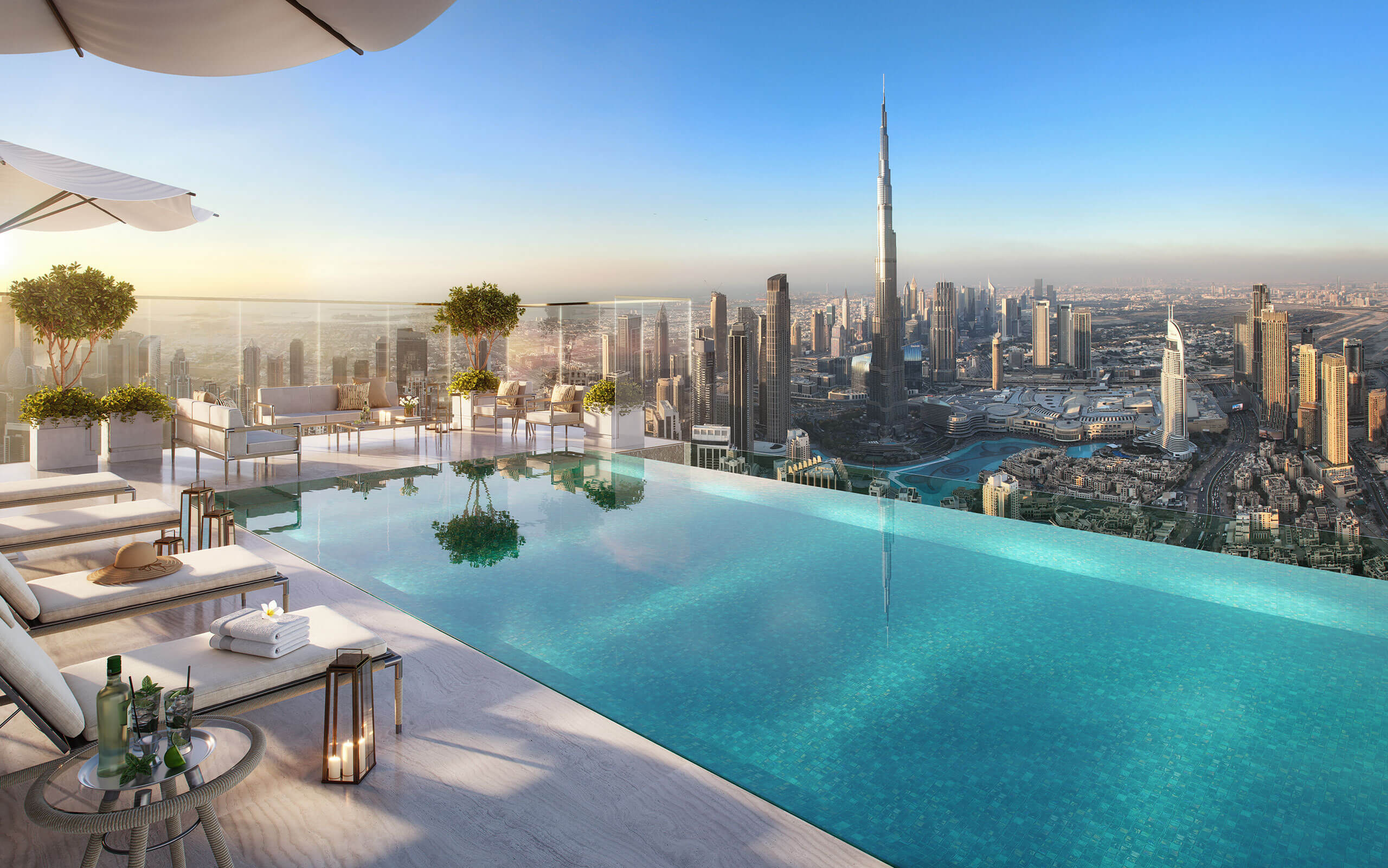
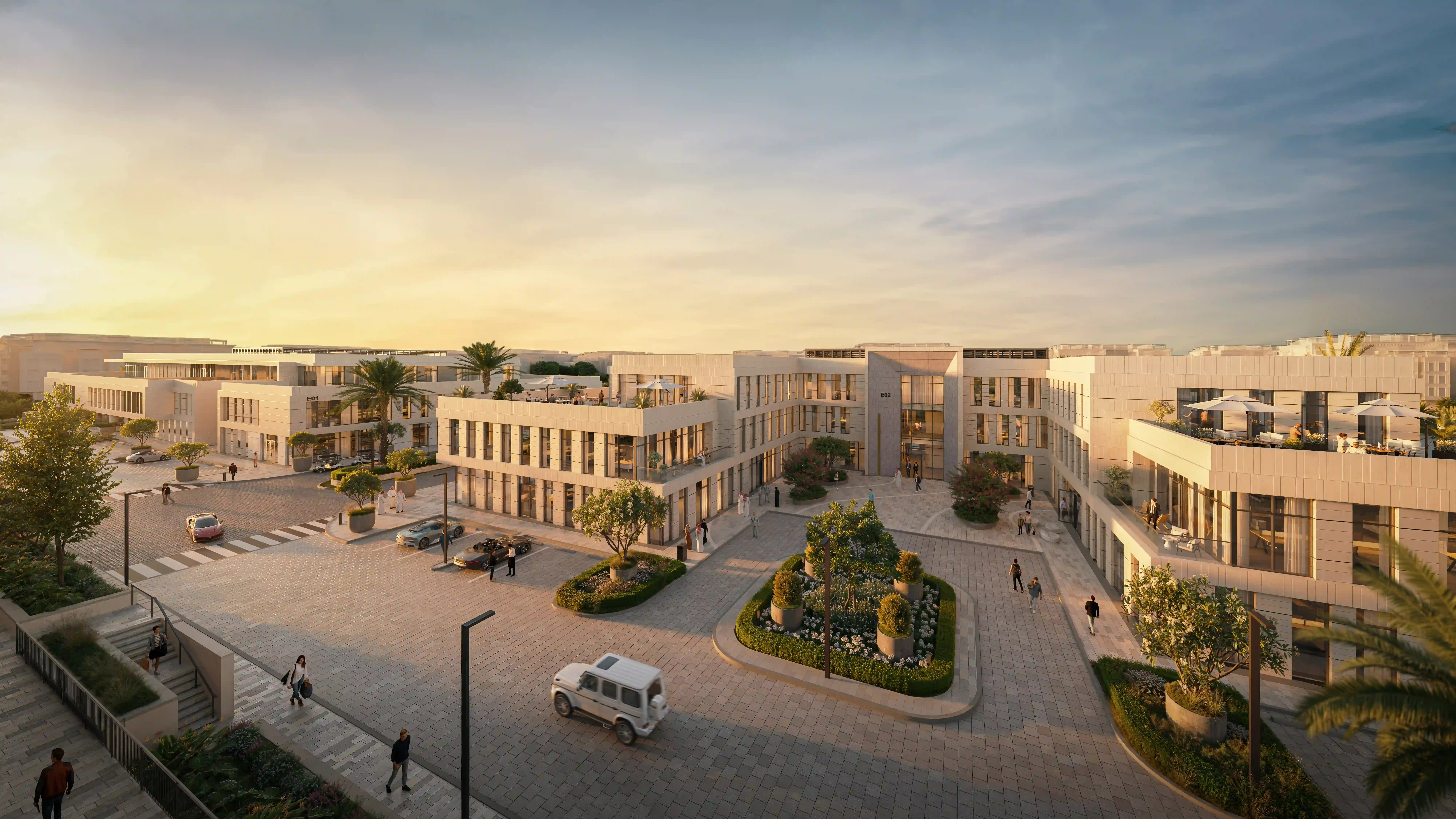
Dubai's real estate market is booming. In 2024 alone, property transactions hit AED 761 billion, a record breaking figure that reflects investor confidence and continued demand across both residential and commercial segments. Yet behind these numbers lies a growing challenge: digital buyer engagement is declining, especially for off plan properties. Developers continue to invest heavily in high end 3D renders photorealistic visuals.

In the fast paced world of real estate development, time isn’t just money it’s momentum. But for many architects and developers, there’s one unavoidable wall they keep running into: project approvals. Whether it's zoning permissions, municipal clearances, or environmental nods, the red tape can stretch out for months, sometimes years, derailing timelines and racking up costs.

In the old days, if you had a clean floor plan and a decent static render, that was enough to get a nod from most clients. But the rules have changed. Visuals are no longer about documentation, they're about experience. Buyers today don’t want to imagine what a space might feel like. They want to walk through it virtually. Investors don’t want to guess how a tower will stand against the skyline. They want to see it move, breathe, live.

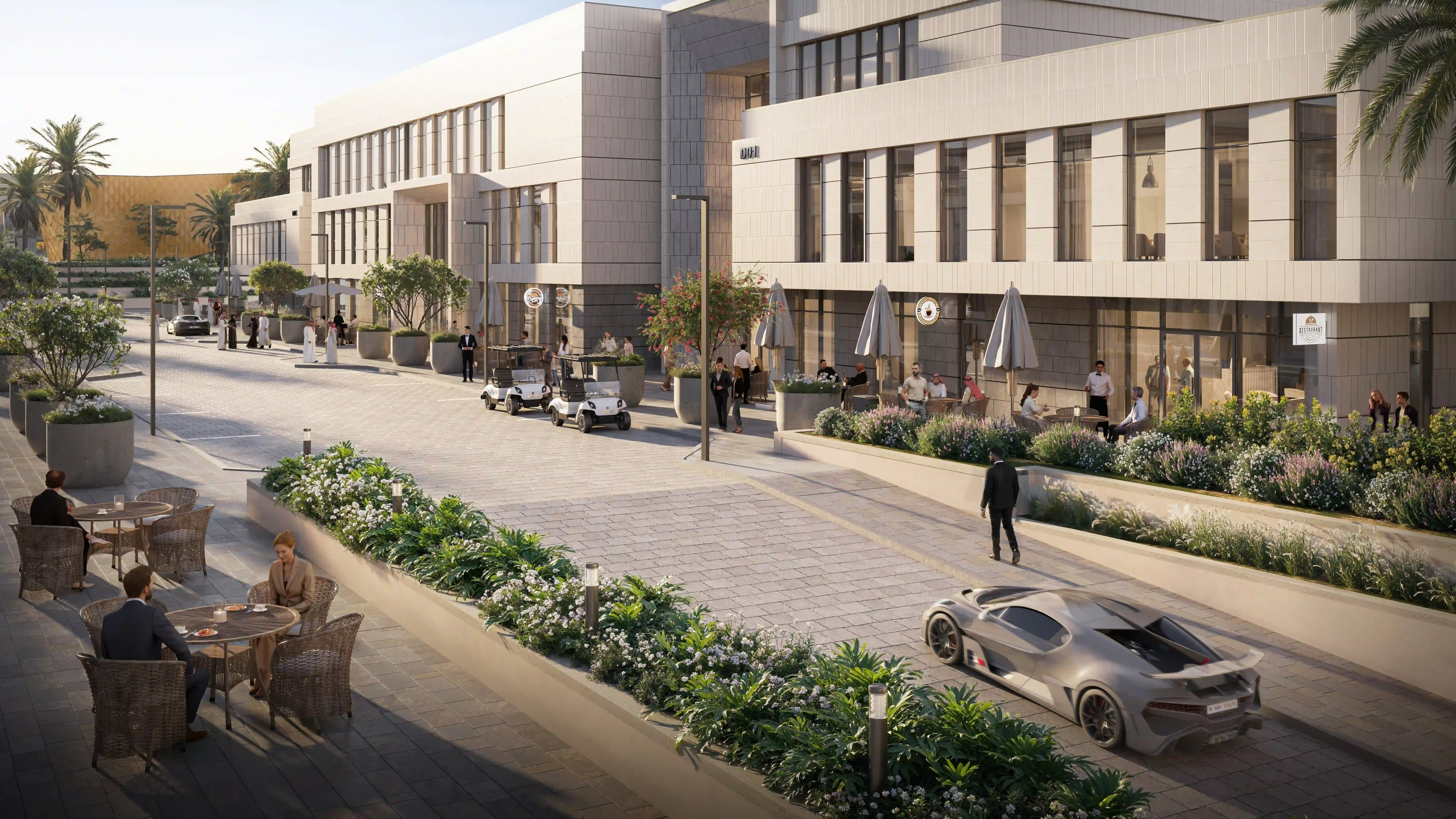
For a city like Dubai that thrives on innovation and visual excellence, creating realistic CGI in 3D rendering goes far beyond using the latest software. Computer-generated imagery (CGI) has become the go to tool for bringing these visions to life. But have you ever seen a CGI rendering that just looked fake? It’s often the small, subtle details, such as the textures, lighting, and nuances, that blur the line between CGI and real-life visuals. Creating realistic CGI in 3D architectural rendering goes beyond relying on the latest software.

In today’s rapidly rising skylines, where innovation seamlessly blends with ambition, VR and AR are redefining the way we design, build, and sell. Have you ever wished you could step inside a luxury villa before it is built or see a new skyscraper’s impact on the skyline from the ground up? This isn't just a fantasy; it's the reality offered by Augmented Reality (AR) and Virtual Reality (VR).

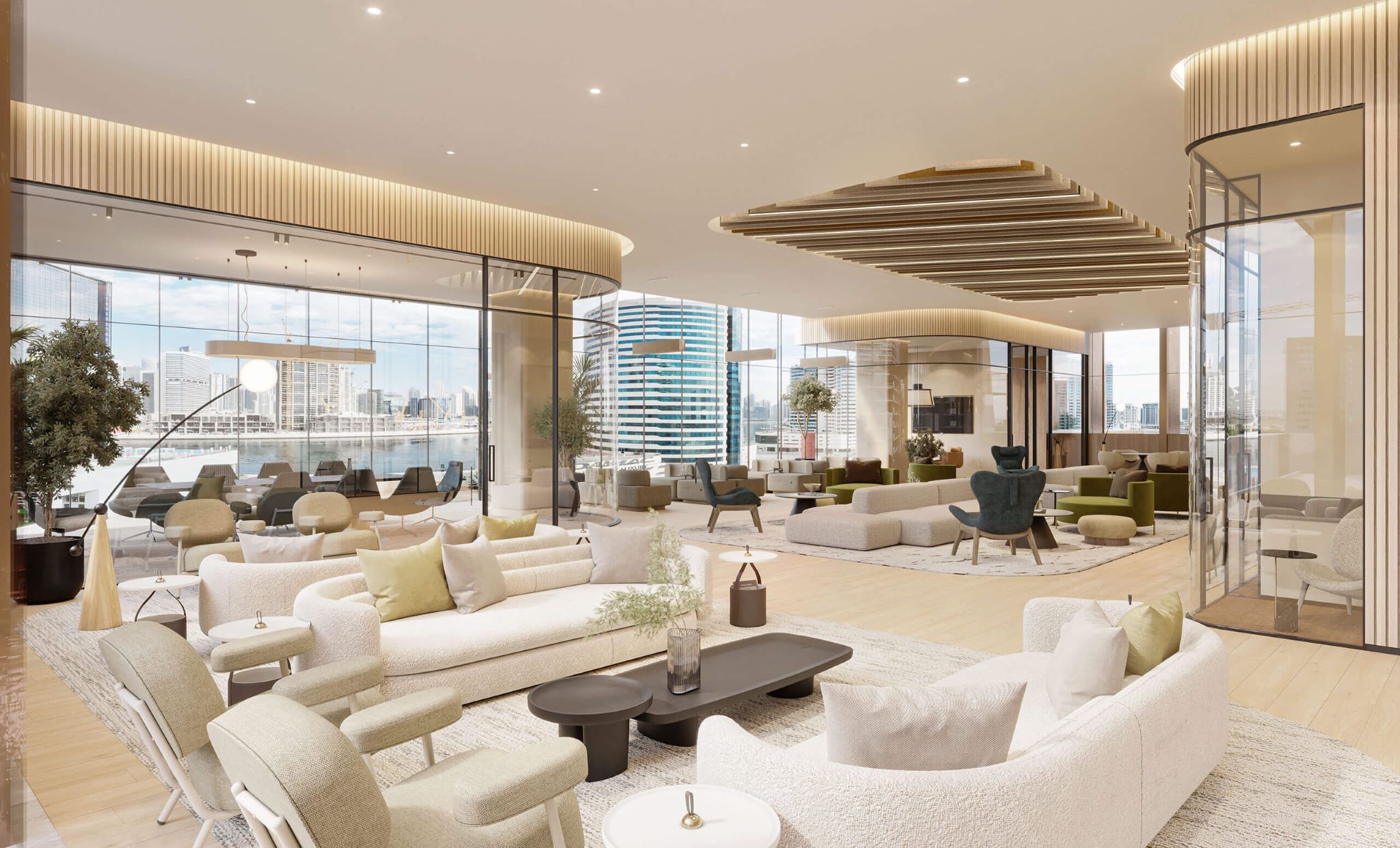
Every dream home begins with a vision that is a feeling of space, warmth, and comfort that lives in your imagination. But before construction begins, that vision is often limited to blueprints and technical drawings that fail to capture what truly matters: emotion, texture, and life. That’s where our 3D rendering services transform possibilities into visuals that look, feel, and live like the real thing.

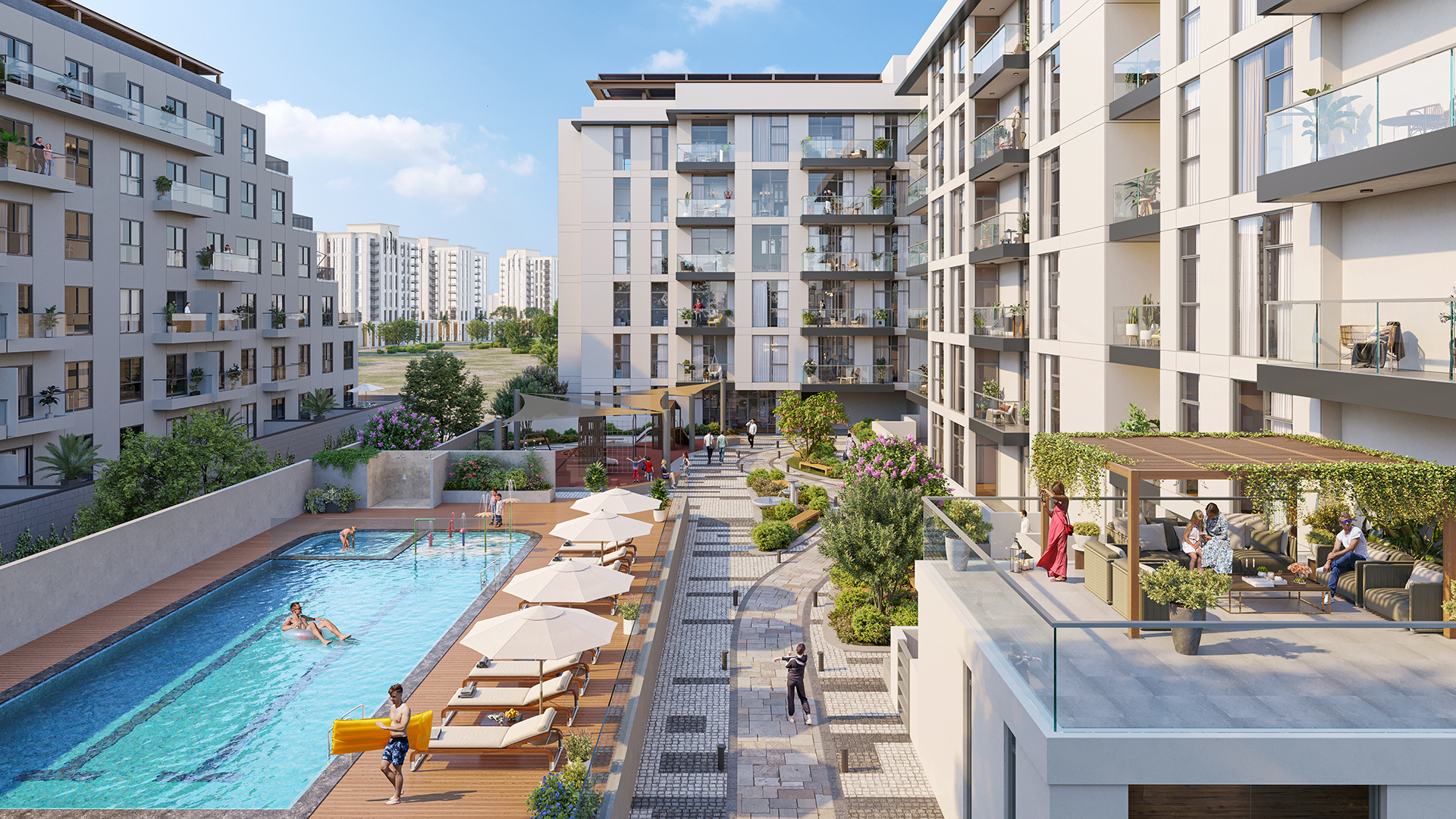
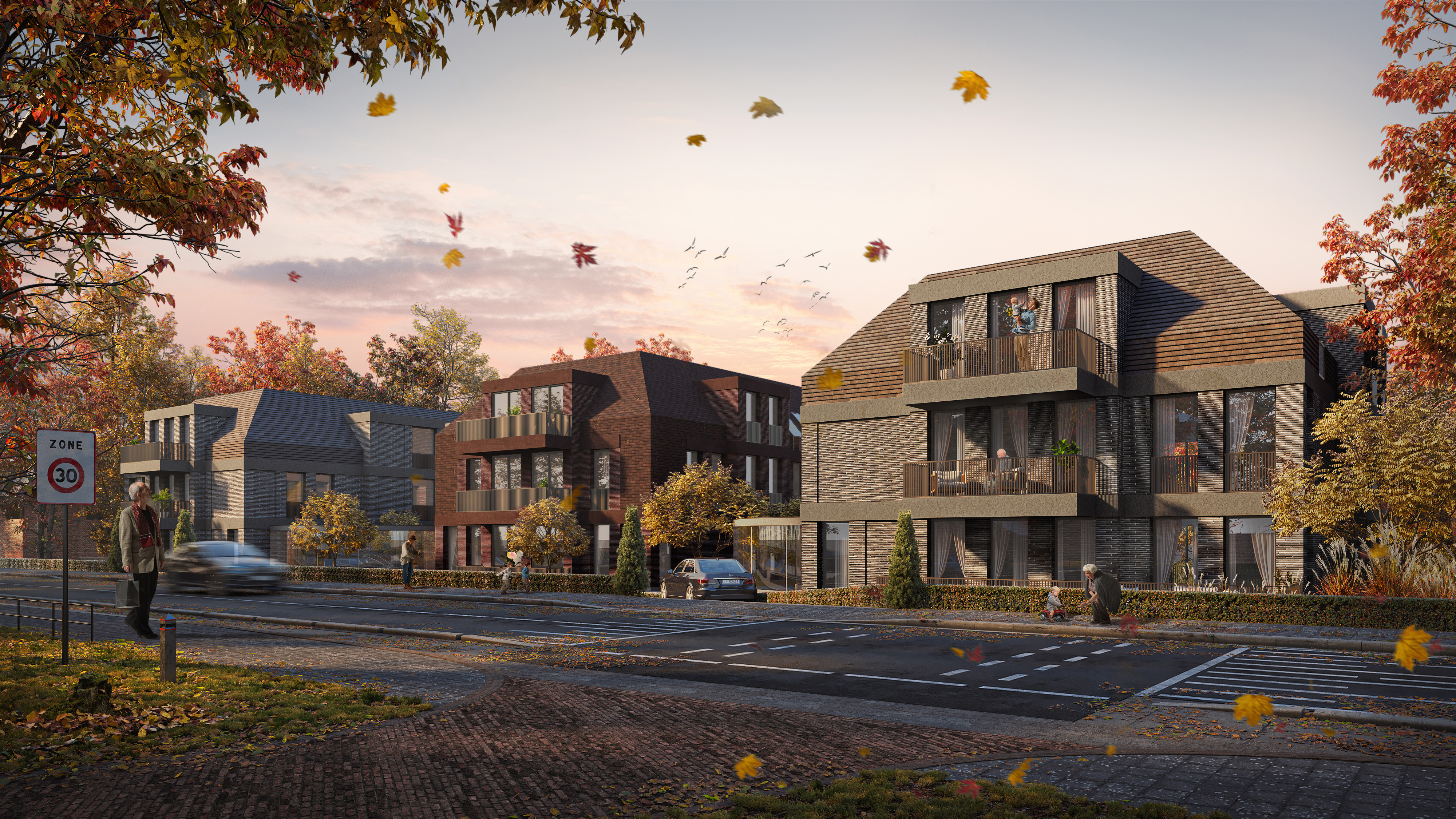
In multifamily housing development, every line, texture, and space matters. But before construction begins, one challenge remains which is how do you make investors, buyers, and decision makers truly see what you’ve designed? That’s where our 3D rendering services come in. We transform architectural plans into photorealistic visuals that capture not just structures, but the lifestyle and emotion behind them.

In real estate, visuals have become the universal language of trust. A single image can define perception, connect emotionally, and even close a sale. While traditional 2D floor plans have long been the foundation for communicating layouts and dimensions, modern 3D floor plans have transformed how buyers experience spaces, even before they’re built. You can explore some of our most detailed visualizations in our Portfolio.

Dubai is a city where imagination defines the skyline. From the sail-shaped Burj Al Arab to the futuristic Museum of the Future, every structure here is born from a bold idea and brought to life through visualization. In this design-driven metropolis, Photorealistic Rendering has become an indispensable tool that bridges creativity and reality, transforming blueprints into experiences.

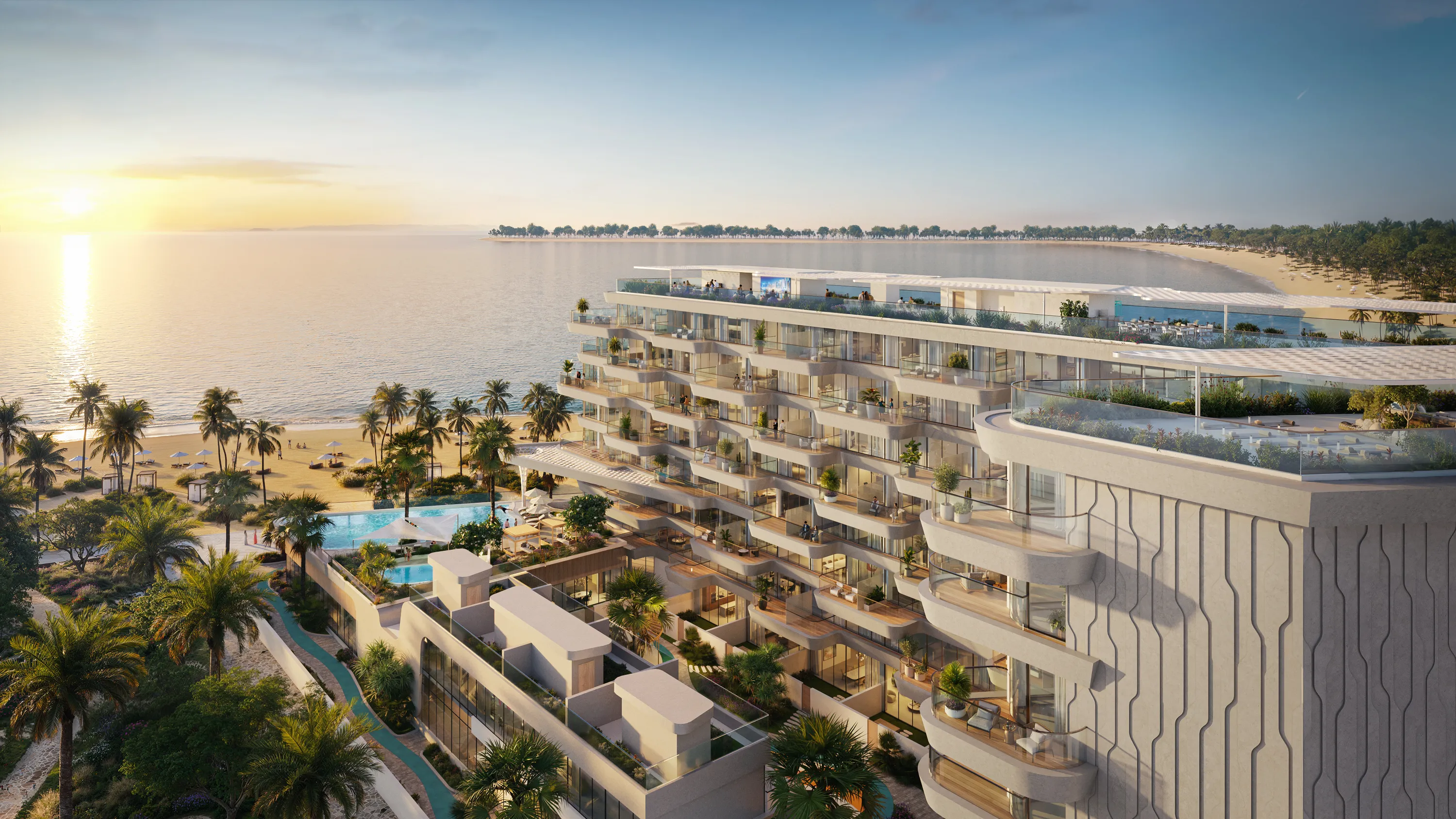
In the fast-evolving UAE real estate market, where every launch competes for attention and trust, visualization has become the new sales language. Buyers no longer respond to floor plans and blueprints alone; they want to experience the space before construction begins. With a rise in new developments across the UAE, from waterfront residences in Dubai to sustainable communities in Abu Dhabi, developers are racing to differentiate their projects.

Across global markets, from luxury towers in Dubai to smart communities worldwide, Virtual Reality (VR) and Augmented Reality (AR) are becoming integral to architectural storytelling. 3D floor plans revolutionized how spaces were visualized, and the next step in this evolution is immersion. With VR and AR integration, developers can now move beyond static visuals to create interactive, experiential journeys that redefine how buyers connect with unbuilt spaces.

With property trends moving toward smart, sustainable, and design-driven developments, modern offices are going through a significant transformation. Today, workspaces in rapidly growing markets such as Dubai are no longer defined by walls and desks; they are defined by purpose, comfort, and creativity. At the heart of this transformation lies 3D interior design, a technology that’s changing how businesses, developers, and designers plan, visualize, and perfect office spaces before construction even begins.

In the UAE, where Dubai property trends continue to set global benchmarks in architecture and luxury, developers and hotel brands are investing heavily in design technology. Among these, 3D interior designs have become an indispensable part of conceptualizing, refining, and selling hospitality environments. By merging creativity with precision, 3D visualization helps architects, designers, and investors see what their guests will eventually feel.

Renovating a space can be both exciting and challenging. Whether it’s a modern apartment in Downtown Dubai or a family villa in Doha, every renovation comes with one question: how do you make design change faster, smarter, and more cost-effective? The answer lies in 3D interior designs.

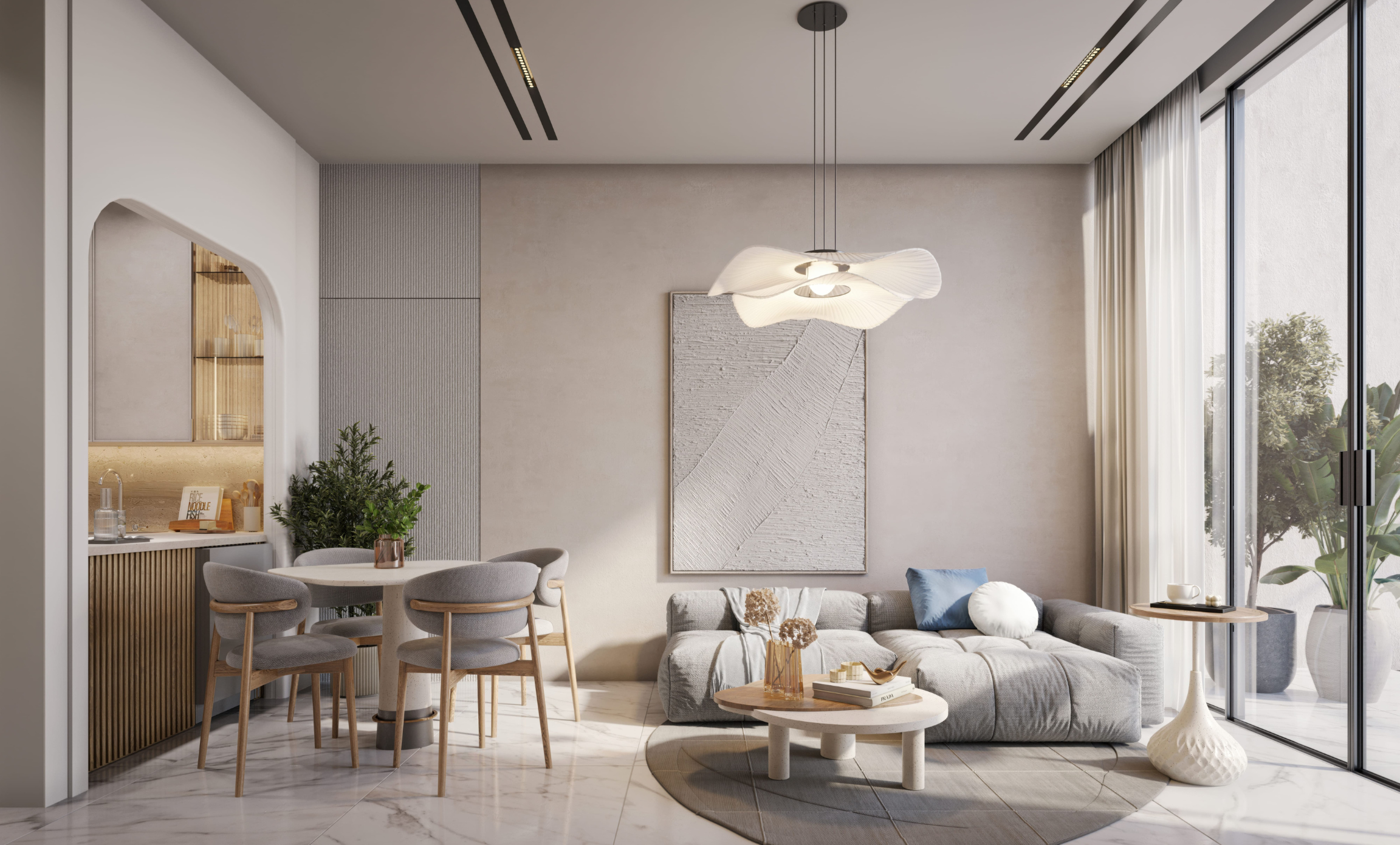
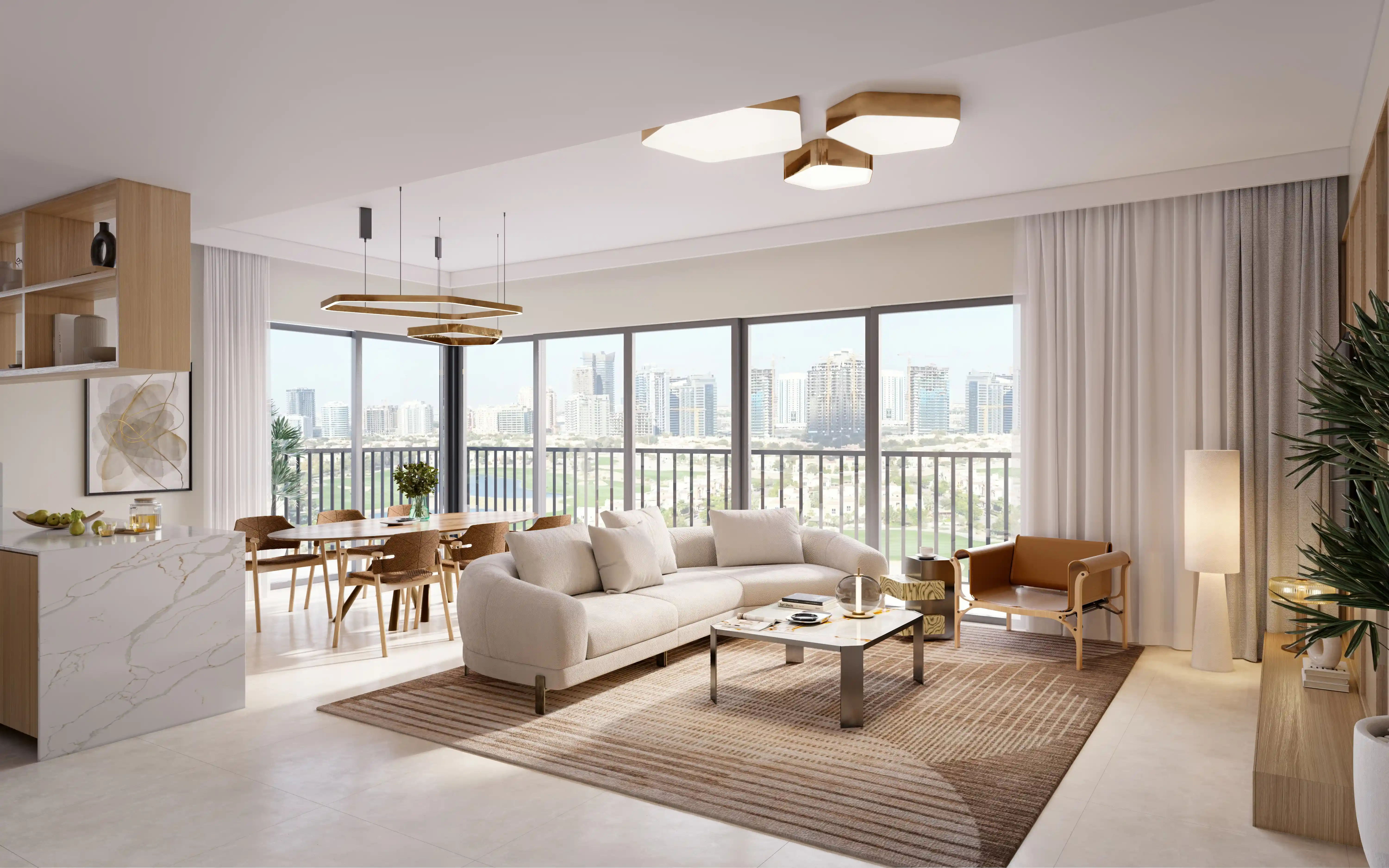
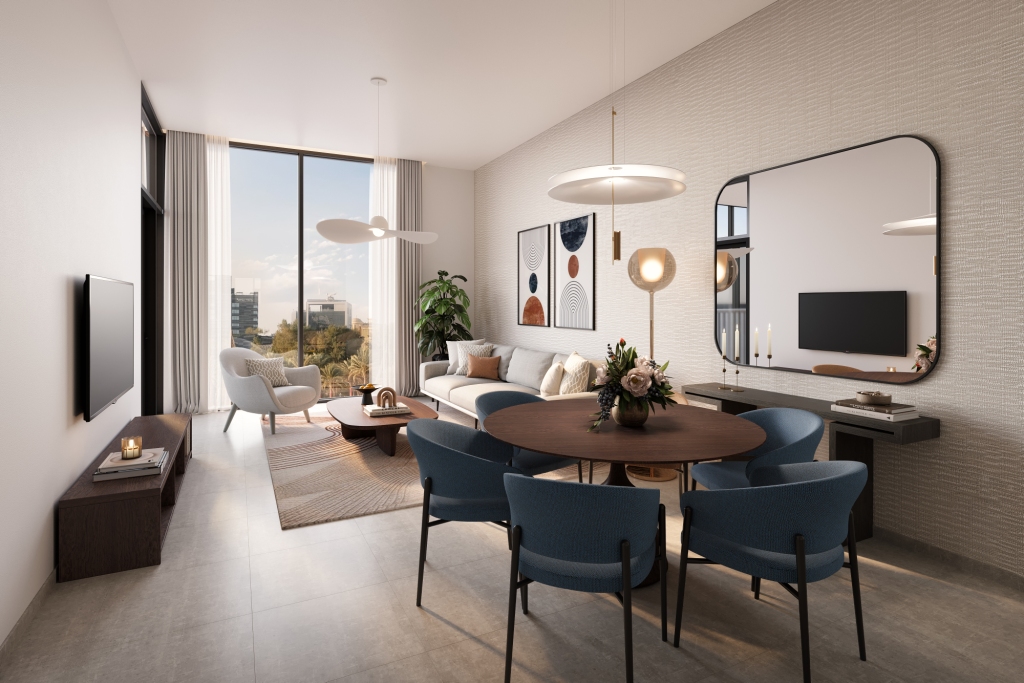
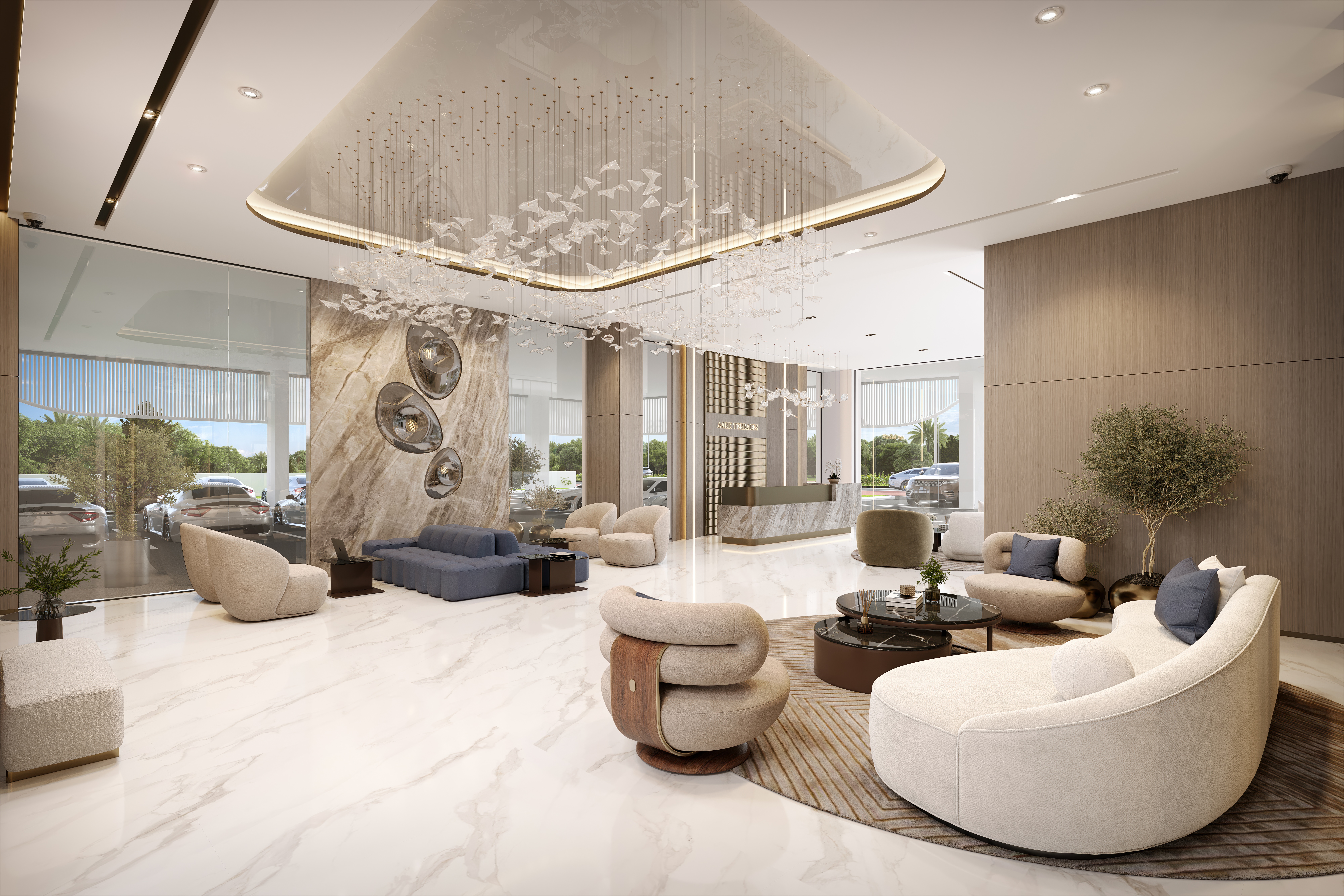
In modern architecture and interior design, visual communication matters just as much as the concept itself. Today’s clients expect to see how their spaces will look and feel long before construction begins. This expectation has made Interior Rendering an essential tool in every architect’s workflow, helping transform ideas, materials, lighting, and layouts into highly realistic visual narratives. Gone are the days when clients relied solely on sketches or technical drawings.

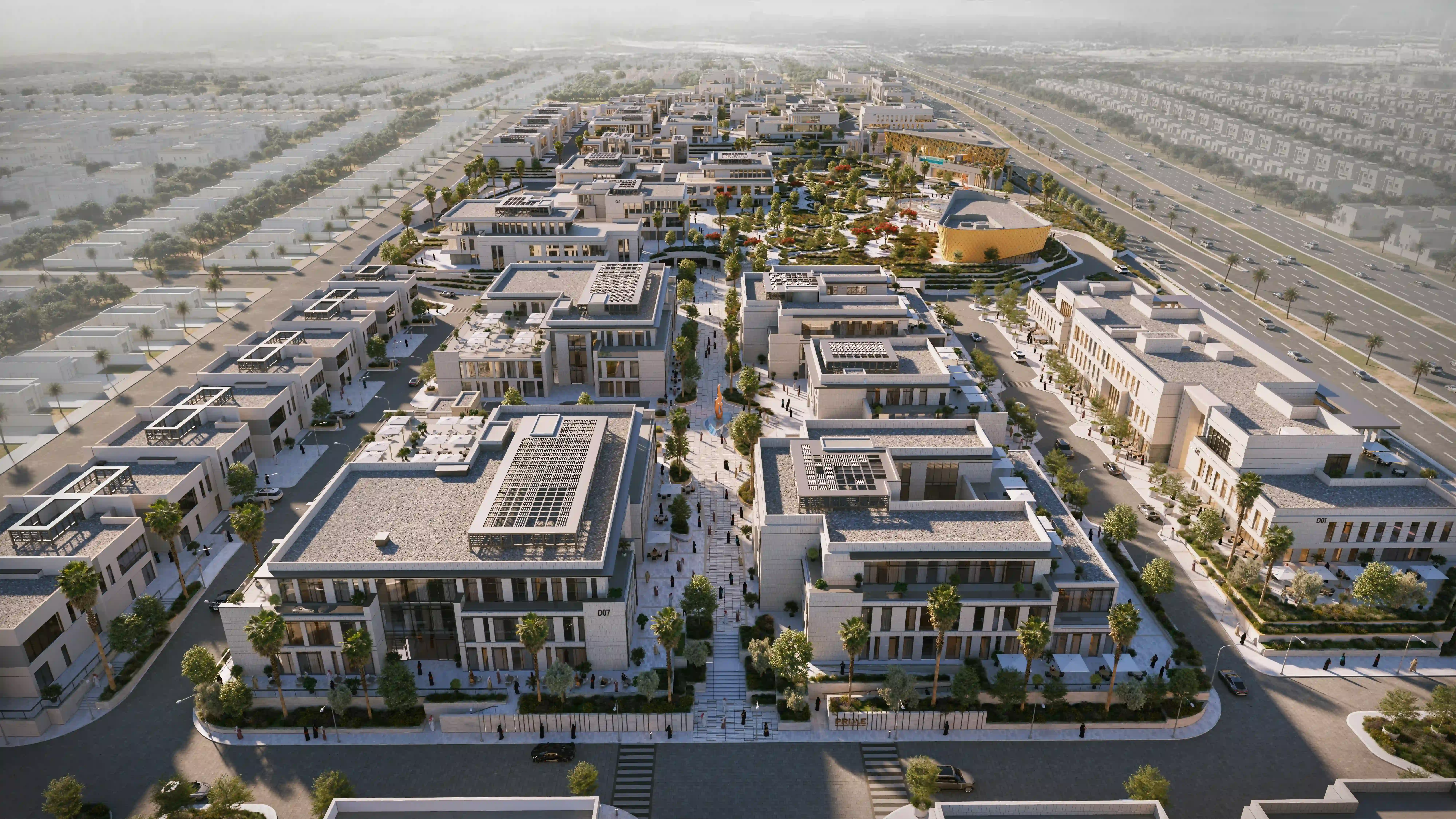
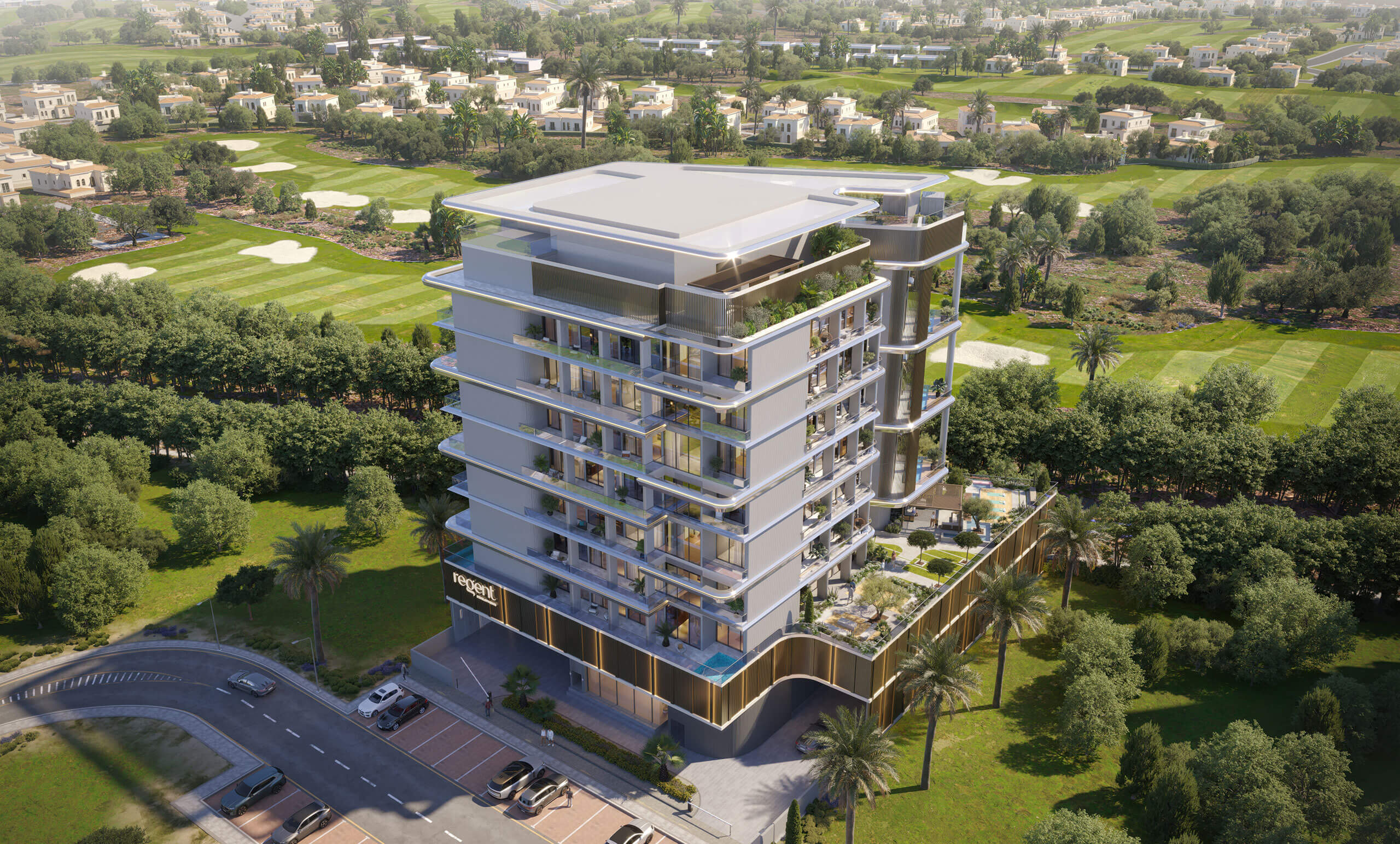
Architectural visualization has undergone one of the most dramatic transformations in design history. What once began as hand-crafted drawings and technical drafting has evolved into a world powered by Architectural CGI, delivering hyper-real, immersive digital experiences that help clients envision spaces long before they’re built. As real estate markets, especially in the UAE, become increasingly competitive and design expectations rise, CGI has become the backbone of modern visualization.

Real estate today isn’t sold through just plans and brochures; it’s sold through immersive experiences. Buyers want to confidently visualize where they will live, invest, or build long before stepping into the physical property. In the UAE’s competitive real estate environment, fueled by Dubai property trends, new developments, and digital-first marketing

Architectural visualization has become an essential part of design, construction, and real estate marketing. Today, clients expect to see not just architectural plans, but visually rich, photorealistic previews of how a project will look both inside and out. While Interior Rendering and exterior rendering are closely related, they serve different purposes, rely on different artistic techniques, and solve different communication challenges.

Interior Rendering has always been at the heart of architectural visualization. From helping clients understand spatial flow to presenting lifelike material combinations, it has transformed the way architects and designers communicate ideas. But today, the industry is witnessing an even bigger shift, thanks to Artificial Intelligence.